


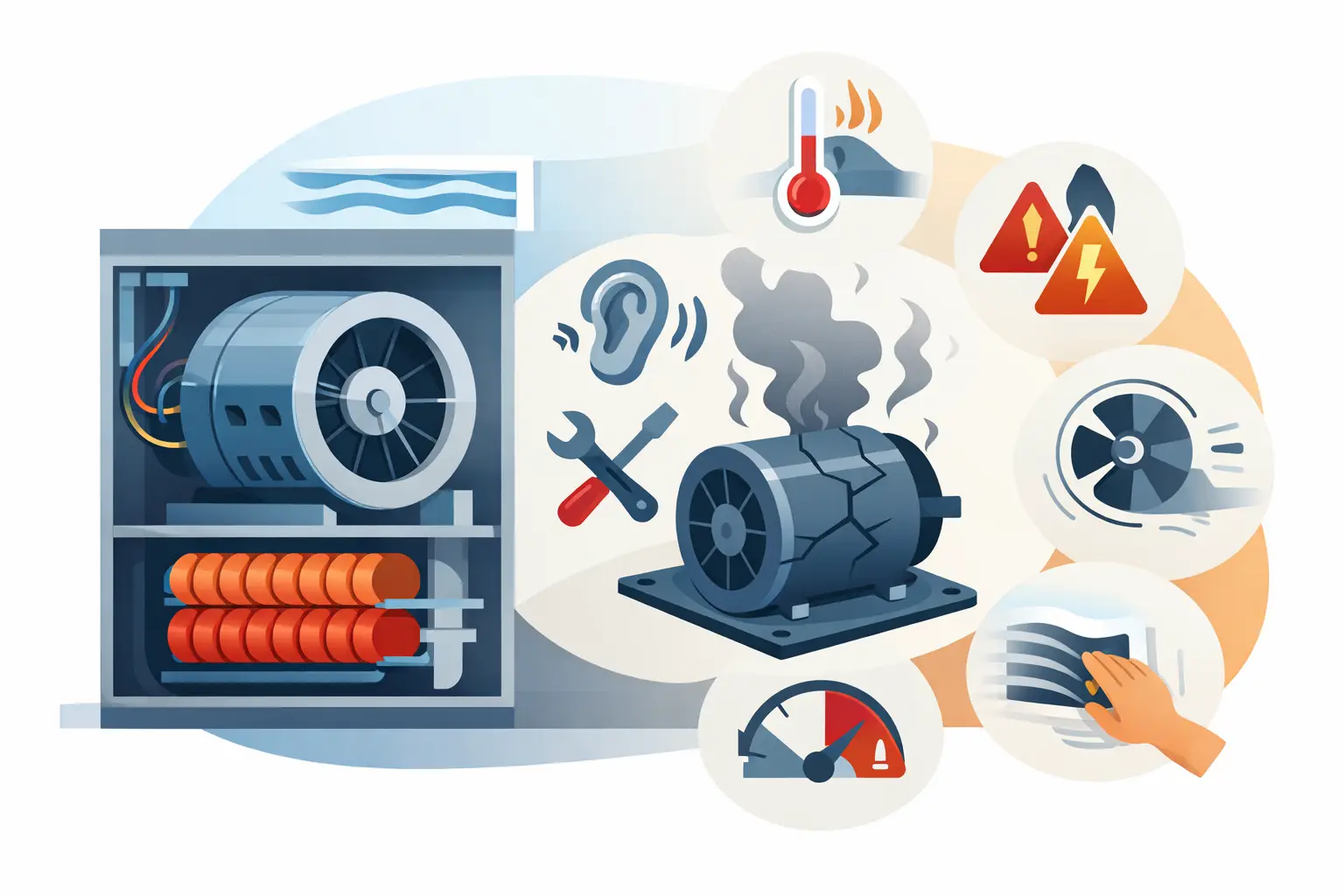


Is your heat unit not working? It might need a fix, or maybe it’s time for a swap. This is a hard call for many. A wrong choice can cost a lot. So, how do you pick? If you’ve ever wondered, “How much is a new furnace?” This guide is for you. We’ll break it all down. You’ll see real prices, key signs, and smart tips. Pick the path that fits your home and wallet.
What Does a Furnace Do?
Let’s start simple. A furnace makes heat. It burns fuel like gas or oil or uses power. The warm air moves in ducts. This keeps your home nice when it’s cold. Most homes in the U.S. use these. They are key in the cold months. Your furnace might last 20 years. That’s with care and light use. Heavy use or poor care makes it wear out fast. Fixes then become more common. This affects your furnace lifespan.
Fix or Swap
Let’s talk cash. A basic furnace fix can cost $150 to $800. A full unit swap runs $3,000 to $7,000. Newer types cost more. The setup cost adds labor, parts, and new vents if needed. This is your furnace installation cost.
Common Fix Costs
- New heat sensor: $75 – $250
- Fix motor: $300 – $900
- New fire part: $150 – $300
- Fix heat core: $500 – $1,500
Your area and tech can change the price. So can part stock. These are all part of the furnace repair cost.
Swap Costs
- Base model (80% power): $3000 – $4000
- Mid-level (90%+): $4000 – $6000
- Top type (95%+): $6,000 – $7,500+
The installation costs $1,000 to $2,500 more. The fuel type and ductwork also change the price. This shows the full cost of the new furnace installation.
Pick Your Path:
- If your unit is young and the fix is cheap, go to Fix It Fast
- If your unit is loud and old, go to Swap Now
This is where furnace repair vs replacement cost comes in.
What to Check First
How Long It Lasts
Most units run for 15 to 20 years. After 15, fixes grow fast and big, so you need to consider the furnace’s lifespan.
How Well It Works
Old units waste power. Some burn 40% more gas for the same heat. New ones save more. They work better and cost less to run. That means better furnace efficiency and lower home heating costs.
Bill Shock
High heat bills mean your unit may be tired. New types can save a lot, which is part of the furnace replacement cost benefit.
How Often It Fails
If it breaks each month, the stress is not worth it. It’s time to let go. That’s a key sign from the furnace replacement guide.
Do a System Check
Get a tech to test airflow, heat, and safe gas levels. This is part of a full HVAC system evaluation. You’ll see what works and what must go.
Swap Time Signs
Still not sure? Look for these signs to replace the furnace:
- Bills climb each month
- Rooms feel cold or too warm
- Odd sounds or bad smells
- It turns off and on too much
- The flame is not blue (this can be unsafe)
- Dust builds up fast
- Repairs are now too often
These signs show your system is not safe or cheap to keep.
When a Fix Still Wins
Fix it if:
- Fix cost is low (under 30% of a new one)
- It’s still under 10 years
- This is the first real issue
- You’ve kept up care each year
Cheap Fix Wins
Yearly care costs $100 to $200. This stops big breaks. It means filter swaps, dusting, and burner checks. These are your furnace maintenance costs.
Easy Care Tips
- Swap filters each 1 to 3 months
- Book a check-up each fall
- Keep vents clear
- Look for rust or leaks
These tips help reduce the cost of fixing a furnace over time.
What Does a New One Cost?
The price of a new unit can vary a lot. Here’s how you answer, “How much is a new furnace?”
Types to Know
- Gas: Works well and costs less
- Power: Easy to set up but runs hot bills
- Oil: Strong heat, but fuel costs more
Power Rate vs Price
- 80% rate: $2,500 – $3,500
- 90%+ rate: $3,500 – $5,000
- 95%+ rate: $5,000 – $7,500
Other Things That Raise Cost
- Big size
- Brand name
- Smart tech add-ons
- Local codes or rules
All of this adds to the new furnace cost.
Wait and Lose More
Do you still think your old unit is fine? Think again. Time is money here. Bad heat means high bills, dry air, and cold nights, and you will pay more in the end.
- More bills each month
- Cold air in key rooms
- Quick need for costly fixes
- Bad air means more colds
- Full crash mid-winter
This also impacts furnace troubleshooting and your comfort.
Let a Tech Help
A full HVAC system evaluation finds:
- Gas leaks or blocked air
- Bad wire or flame issues
- Bad fans or motors
- Poor airflow
- Old parts near the fail point
The test helps you plan smart. This is part of the furnace replacement guide.
What Next?
Still not sure? We can help you decide. Book a full system check here. We’ll come fast and give clear prices. Stay warm. Pick smart. Let us help you with your heat.
Final Word
Each home has its own needs, and one fix may not suit all. Know your unit’s story. Check the years it ran. Check if you fix it a lot. Watch the heat bills. Think long-term. Do not just look at the price tag. A smart pick saves more. A well-timed change can boost warmth. A good fix may stretch your savings. In the end, your plan and peace matter. Use this guide to choose right with care. Know your furnace repair vs replacement cost to make the best call.